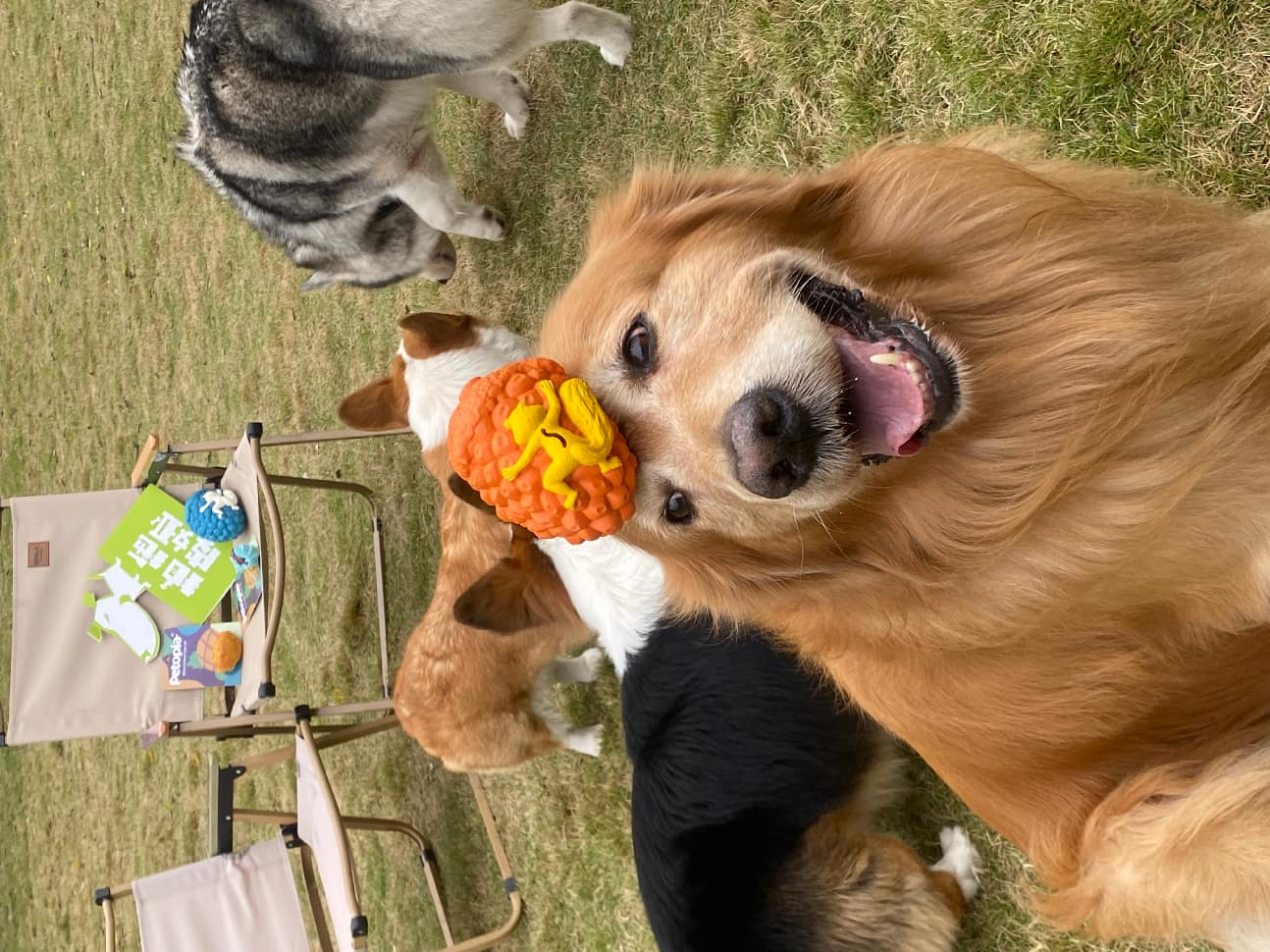
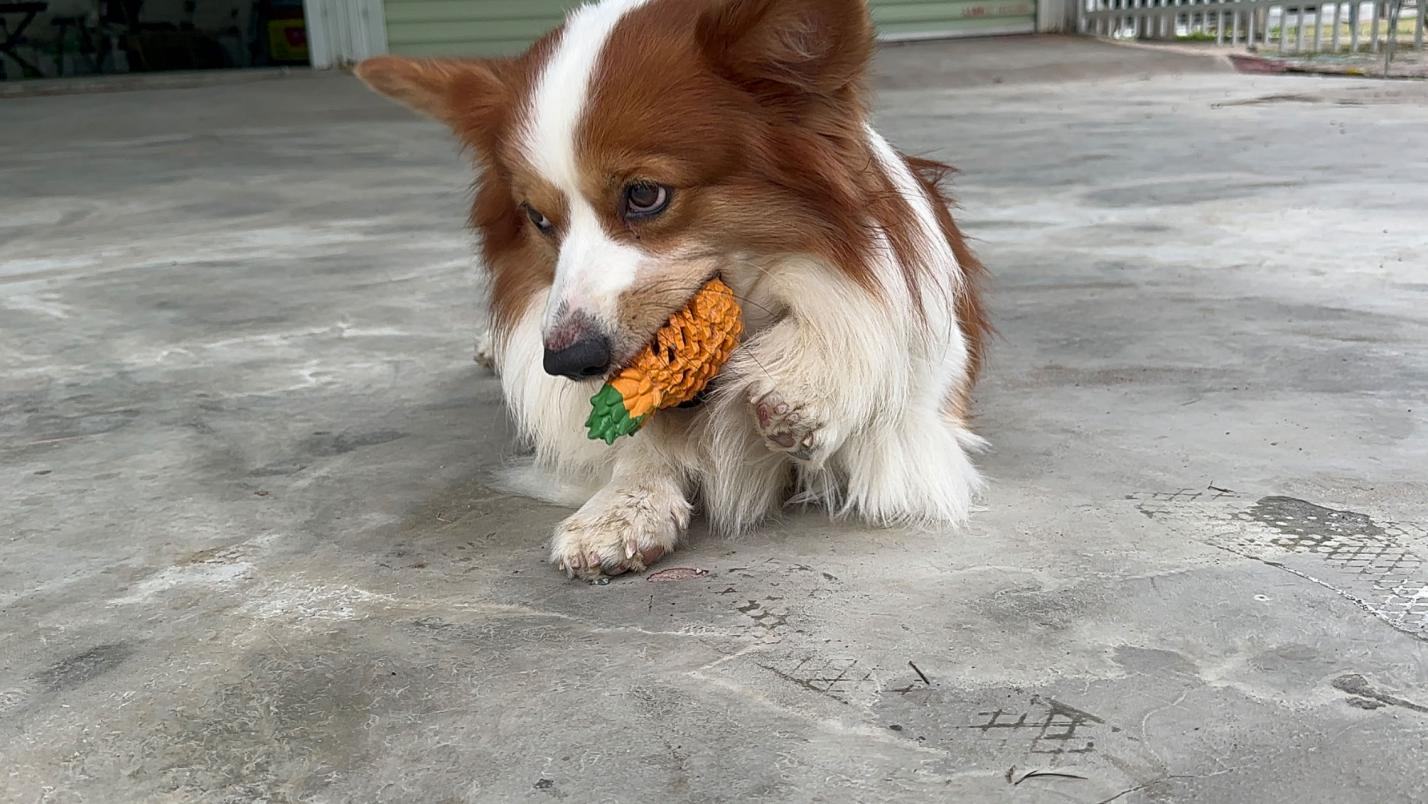
The toys basket in the corner has six toys in it. Your dog walks past them, sniffs the one on the top, and then moves over to the couch without even playing with them. Most of the toys look brand new. You’ve spent a small fortune on them. Yet, your dog doesn’t have interest.
Even when you come back home with a new toy, tear the tag off, and present it as a gift, your dog sniffs it once, twice, and walks away. You begin to question why doesn’t my dog play with toys.
You begin to wonder if your dog is broken. Here is the good news. He is not. The bad news? You have to work to get your dog to play with toys.
Toys aren't naturally meaningful to dogs
Dogs don't come to this world knowing what a chew toy is for. They have to learn play behavior, like many other things. Puppies that stay with littermates learn that lesson early. They chase, bite, and wrestle until the pattern makes sense.
However, puppies raised in isolation, or dogs that come from shelters, they have never had play modelled for them. They treat toys like it is furniture. Objects on the ground.
Toys are interactive - for a dog to enjoy playing with a toy, they have to be playing with someone. For dogs, the toy is the medium, while the connection with its owners is the point.
This is why a dog can spend an entire afternoon ignoring the rope on the living room floor, and then immediately light up the moment you pick it up and act like it's the most interesting thing in the house.
Breed drives matter more than most people realize
A dog's inclination toward toy play also depends on what they were bred to do. Retrievers are wired to fetch; a ball is almost an extension of instinct. Terriers were built to chase and grip - they often love tug or prey-mimicking toys. Sighthounds were designed for speed and focus; a toy that moves unpredictably often lands well with them.
Some dogs categorized as "toy breeds" - the Maltese, the Bichon Frise, the Cavalier King Charles Spaniel - were actually bred for human companionship, not independent play. They engage through interaction with people rather than through objects. The absence of toy interest in a small companion breed isn't a personality flaw. It's the breed doing exactly what it was designed to do.
If you've been offering a Basset Hound a squeaky football and wondering why he's unimpressed, the answer may be that his brain is wired to track a scent across two miles, not to chase rubber around the kitchen. A slow, sniff-based activity often lands far better.
Too many toys, left out all the time
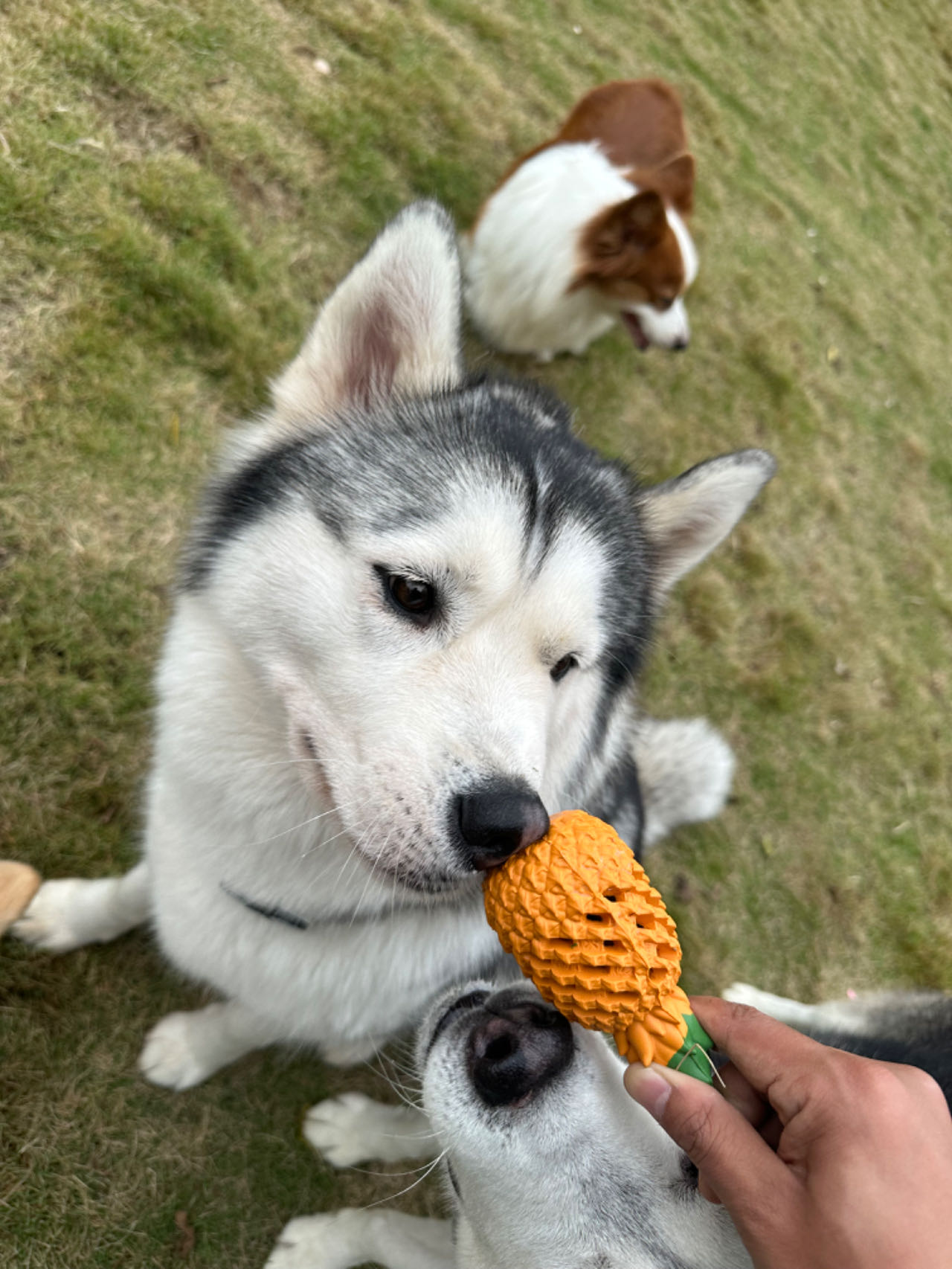
Dogs are neophiles. They are wired for novelty - new experiences, new smells, new objects. When the same five toys sit in a basket in the corner week after week, they stop registering as interesting. The dog has processed those objects. They're background.
This is one of the most overlooked reasons for toy disinterest: owners leave all toys available at all times, which guarantees none of them feel interesting for long.
The fix is rotation. Pull out only one or two toys at a time. Swap them every few days. A toy your dog hasn't seen in two weeks is effectively a new toy.
When health is the real answer
A dog who used to play and has stopped is telling you something. Dental pain is one of the more common culprits - a cracked tooth, periodontal disease, or gum inflammation can make biting and chewing any object feel like a bad idea. Arthritis, hip dysplasia, and joint pain can make the physical effort of play more trouble than it's worth.
Older dogs may also show signs of canine cognitive dysfunction, which affects engagement and motivation. If the disinterest in toys came on suddenly in a dog that previously enjoyed them, a vet visit should come before any behavioral intervention.
How to get your dog interested in toys
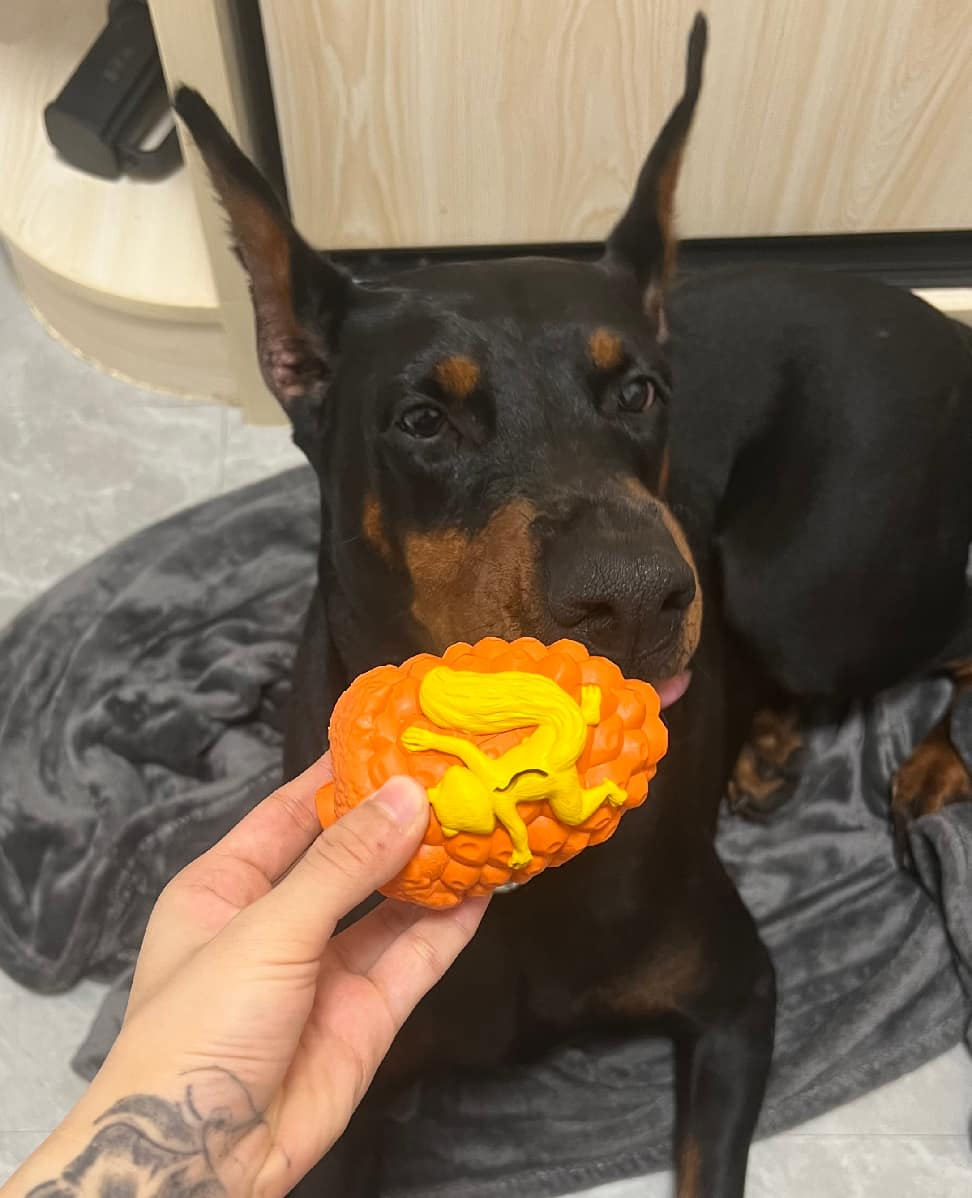
Once you've ruled out a health issue, the approach is less about finding the right toy and more about building the right association.
Start with yourself in the game. Pick up the toy. Move it. Make it behave like something worth paying attention to. Dogs respond to motion and your energy far more than to the object itself. If you act like it's boring, it will be.
Match the toy to what your dog already does naturally. Does your dog carry everything they find? Try something with weight and texture. Does he stalk and pounce on things in the yard? A toy with unpredictable movement might trigger that instinct. Does he chew relentlessly on whatever he finds, including things he shouldn't? A durable rubber chew toy with a food cavity changes the equation entirely - now there's a reason to keep going.
Treat-dispensing and food-stuffable toys are worth particular attention for dogs without a natural play drive. Food is often the bridge. The toy delivers something the dog already wants. Over time, the dog begins to associate the toy with good things - and some of them eventually pursue the toy even when it's empty. That's the goal. It doesn't happen overnight, and forcing it never helps.
Most dogs that don't play with toys just haven't connected playing with feeling good yet. The goal isn't to make them love toys. It's to build enough positive association that the toy starts to carry some meaning on its own.
5 Petopia toys worth trying for dogs that don't play
If your dog falls into the "not interested" category, these are worth introducing one at a time, each one works on a different drive.
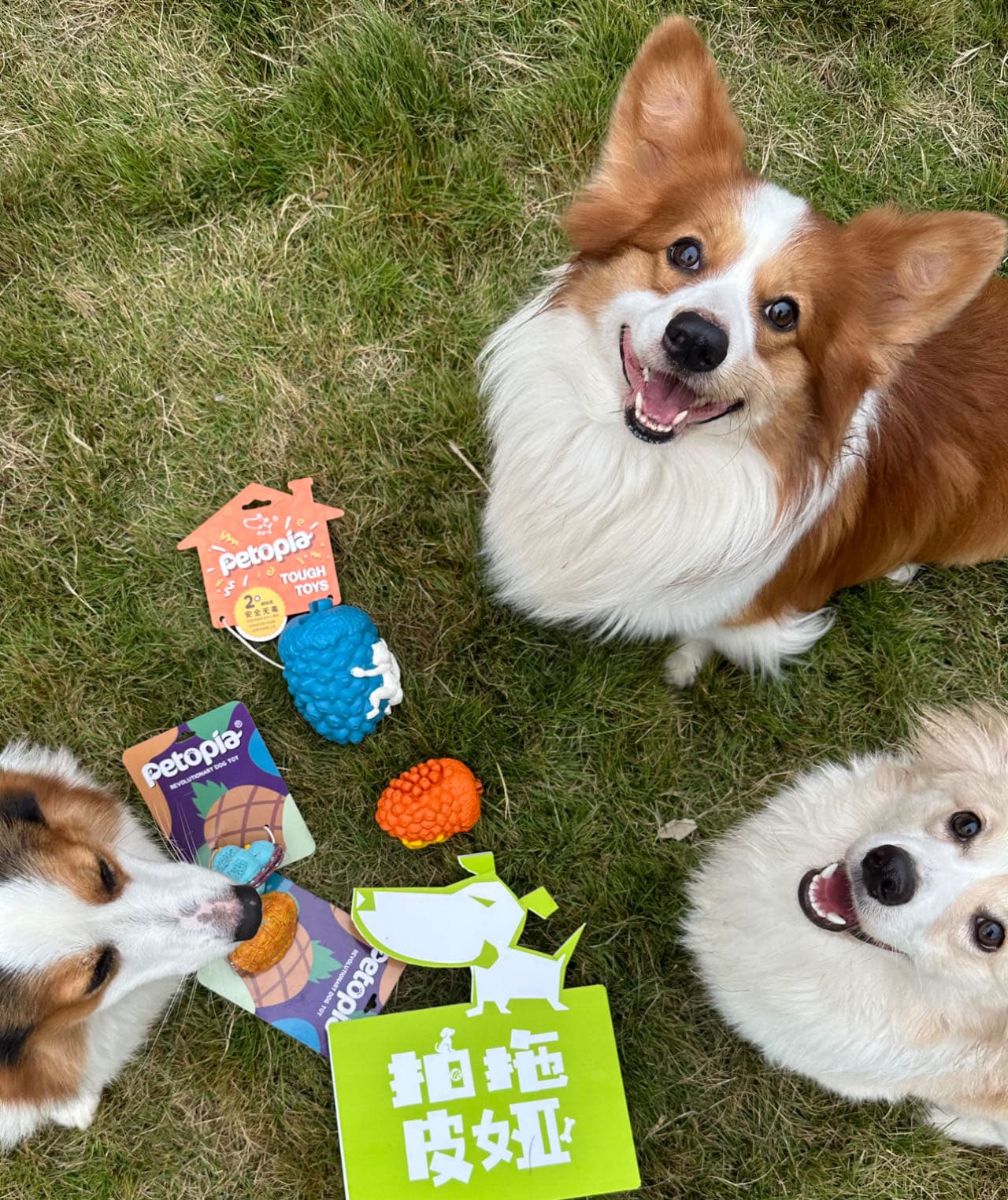
Petopia Pineapple Tough Dog Chew Toy, Small - $9.99 For the dog who chews everything in the house except what you've bought for that purpose. The unique surface gives them something to work on, and the rubber holds up to serious pressure.
Petopia Turtle Shell Interactive Dog Chew Toy, Medium - $13.99 You can stuff with food. The shape slows your dog and extends playtime. This one is great for dogs who aren’t naturally motivated to play, but will work for food or treats.
Petopia Stick Interactive Tough Chew Dog Toy, Large - $16.99 A fetch-ready shape for dogs with retrieving instinct. Works best when you are part of the game. Most toy-reluctant dogs will not play on their own. But when you join the party, they love the engagement.
Petopia Spherical Dumbbell Interactive Food Dispersing Dog Chew Toy, Large - $21.99 A food-dispensing toy that rewards the dog for nudging, batting, and rolling it. Works best for high-intelligent dogs that love to solve puzzles.
Petopia Tire Interactive Dog Chew Toy, X-Large - $25.99 Built for large dogs and heavy chewers with a real bite drive. The tire shape is satisfying to grip, carry, and chew. This is one best for dogs that tend to grab things and shake them.
Frequently Asked Questions
Is it normal for a dog not to play with toys?
Yes. Some dogs have a lower toy drive by breed, by temperament, or by history. If your dog doesn’t play with toys, that doesn’t mean he is not happy. There are different types of play for dogs. One is object play with toys, but there is also social play with people or other dogs. Dogs can also play when they are running and exploring, that is what science calls locomotor play.
Why does my dog ignore new toys?
Because a new toy is still just an unfamiliar object with no meaning. If you do not introduce it, hype your dog to play with it, and be involved in the play, that is just an object with no meaning. Be active when introducing you dog. Hype them by asking, “Do you want this new toy”, “Is this for you”, and similar in an excited voice. Most importantly, once your dog plays with it, take it away. Do not leave it on the floor as old news.
Do dogs get bored with the same toys?
Yes. Dogs are wired for novelty. When they play with the same toys, they stop being interested in them. Rotate toys to keep only two to three at a time accessible to your pup.
Why does my dog only want to play when I'm involved?
This is common, and it's not a problem. It reflects the way most dogs understand play. Toys become interesting when they're part of an interaction. Some dogs do learn to play independently over time, especially with food-dispensing toys that reward engagement on their own terms. But most of them want a person to be involved in the game.
Can health problems cause a dog to stop playing with toys?
Yes. Dental pain, arthritis, joint issues, and cognitive decline can all reduce or eliminate toy interest. A dog that previously played and has suddenly stopped is worth a vet visit before you try any behavioral approach.
What type of toy is best for a dog that doesn't like toys?
Start with what your dog already does naturally. A dog that chews constantly is a candidate for a durable rubber chew toy. A dog that's food-motivated is a good fit for a treat-dispensing toy. A dog with some retrieval instinct needs you in the game to get started. There's no universal answer.